


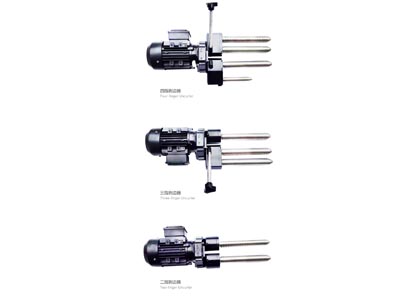

INFRARED EDGE DETECTING ELECTRIC EYE
Reviews (0)
You must be logged in to post a review.
Related products
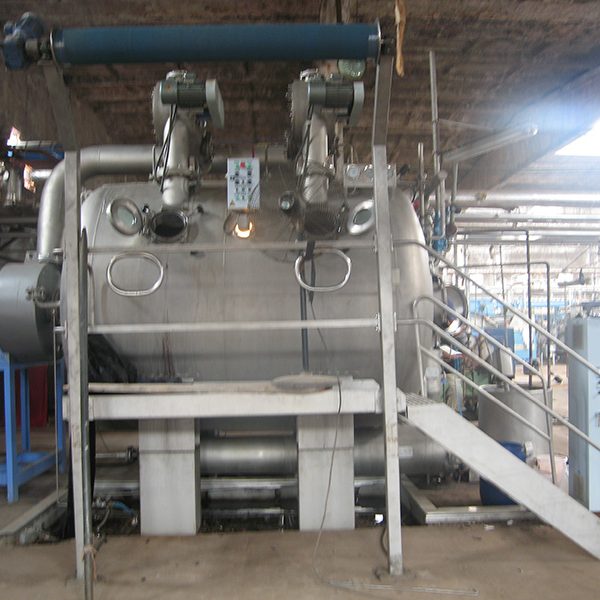

Sanforizing machine
Sanforizing machine
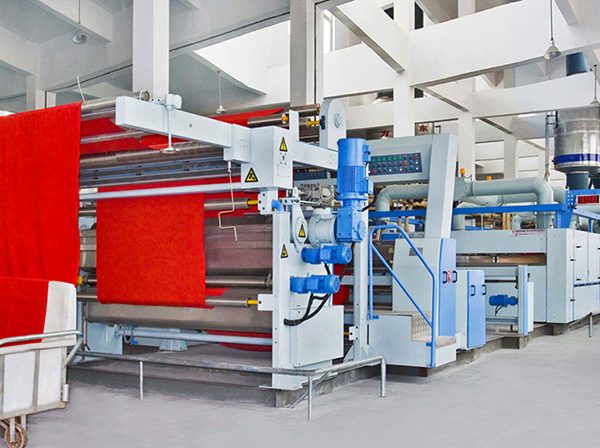
M5471 knitting stentering boarding machine
Product uses
This product is appropriate for polyester filament yarn, polyester low elasticity silk fabric, pure cotton or other knitting fabric with weight of 60-700g/m2.
Main technical index
Form: heated air circulation, single layer horizontal type
Vehicle category: left hand or right hand
Nominal width(mm): 1800-3600
Amplitude modulation range(mm): 700-(Nominal width-200 mm)
Speed range: 5-100m/min
Over-feed ratio: -10% - +30
Oasthouse temperautre: 100-230ºC
Heat source: heat-carrying oil, fuel gas(city gas, natural gas, water gas, liquefied petroleum gas), electricity
Cloth holding method: needle clamp
Cropping form: simple pendulum type; or double use
Edge detecting form: High precision infrared edge detecting
Guide rail form: no lubricating oil steel plate guide rail
Size: (16115+n×3000)×(W+2500)mm×2300mm
Installed capacity: (55+n×15)kW
Features
1. Active infrared, synchronous with main engine;
2. E+L tension sensor controlled padder, realizing low tension and constant tension running;
3. E+L infrared edge detecting indstrument, excellent antijamming capability;
4. 6mm thick steel plate graphite guide rail, no need of refueling, long serve life;
5. 9 section width adjustment;
6. Heat-carrying oil heating method, high accuracy;
7. Front and back double multistage operation system, PLC control system, convenient for operation;
8. Landing minor-cycle building block system oasthouse, small volume, large blast capacity;
9. Frequency converting control, high efficient heated air circulation system;
10. Special nozzle displacement;
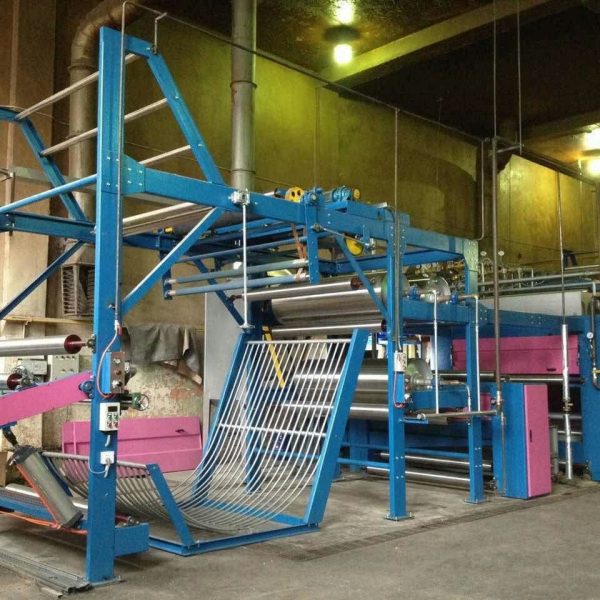
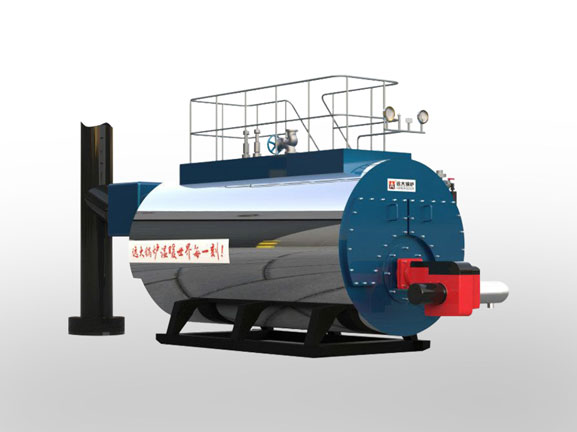
Diesel / Heavy Oil Boiler
Diesel / Heavy Oil Boiler
Yuanda Boiler since 1956
Oil fired boiler is the 3-pass wet back boiler, can produce steam or hot water. This type boilers are fully automatic, safe, energy saving and designed to operate on a wide range of liquid and gaseous fuels like heavy oil, light oil, gas, and dual fuel options.
Output: steam
Capacity: 0.5-40 ton/h, 15hp-2500hp
Styles: horizontal
Available Fuel: heavy oil, diesel, furnace oil, waste oil, dual fuel, etc
Applied Industries: food, beverage, diaries, feed mill, garment, textile mill, paper mill, packaged, refinery, chemical, laundry, hotel, greenhouse etc

M5469 stentering boarding machine
Product uses
This product is appropriate for polyester filament yarn, polyester low elasticity silk fabric, pure cotton or other knitting fabric with weight of 70-400g/m2.
Main technical index
Form: heated air circulation, single layer horizontal type
Vehicle category: left hand or right hand
Nominal width(mm): 1800-3600
Amplitude modulation range(mm): 700-(Nominal width-200 mm)
Speed range: 5-100m/min
Over-feed ratio: -10% - +30
Heat source: heat-carrying oil, fuel gas(city gas, natural gas, water gas, liquefied petroleum gas), electricity, saturated vapor
Cloth holding method: needle clamp, cloth clamp, double use clamp
Cropping form: simple pendulum type; or double use
Edge detecting form: high precision infrared
Guide rail form: no lubricating oil lubricating oil guide rail
Installed capacity: (55+n×15)kW
Features
1. High precision infrared edge detecting instrument, powerful antijamming capability;
2. 6mm thick steel plate graphite guide rail, no need of refueling, long serve life;
3. Multistage fabric width adjustment;
4. Front and back double multistage operation system, PLC control system, convenient for operation;
5. Landing minor-cycle building block system oasthouse, small volume, large blast capacity;
6. Frequency converting control, high efficient heated air circulation system;
7. Special nozzle displacement;


DUST CLEANING BRUSHING MACHINE SP200X2 for knits fabrics
DUST CLEANING BRUSHING MACHINE SP200X2 for knits fabrics
Description:
DUST CLEANING MACHINE
BRUSHING MACHINE TYPE SP200X2 FOR KNITS FABRICS
This brushing/cleaning machines is a COMBINATION of three actions:
beating / brushing / sucking.
Beating is made by beaters rollers and brush by the means of brush rollers,
sucking is made from an efficient air sucking system that catch the removed dust / lint and collect them to an external filter unit.
Brushes and beaters rollers are working at the same time on front and on back sideof the fabric to assure the maximum cleaning efficiency.
The entire units is made of mild-steel.
Some parts for their particular constitution and function, are galvanized coating and the frames are treated with epoxy paints.
Additional air blades can be installed in the machine; The air blades are blowing ionised high air pressure that let's the stubborn static dust to be roved easily from fabric surface.
Characteristics:
Dust Cleaning Brushing machines, Type SP200X2 with;
Inlet with adjustable tensioning bar;
Double adjustable expander unit with Two motorized scroll rollers adjustable at 360°;
Centering device type “Slatted drum” with feeding motor and photocells for centering;
Individual motor for each brush;
2 sets of beaters rollers made by stainless steel star-shape;
2 sets of Horse hair brushes made by straight bars bristles shape;
Electric actuators for brush distance position. ( EXCLUSIVE FROM CARU’)
Transparent windows for easy access in to the machine;
Electric panel with inverter for fabrics drive;
Distance sensor for no-tension control of the running fabrics with accumulation cradle ( EXCLUSIVE INNOVATION FROM CARU’);
Outlet motor roller with plaiter unit at outlet ;
Complete suction, with motor-fan and filter bags unit;

Washing Range after printing/Dyeing
Washing Range
Reviews
There are no reviews yet.